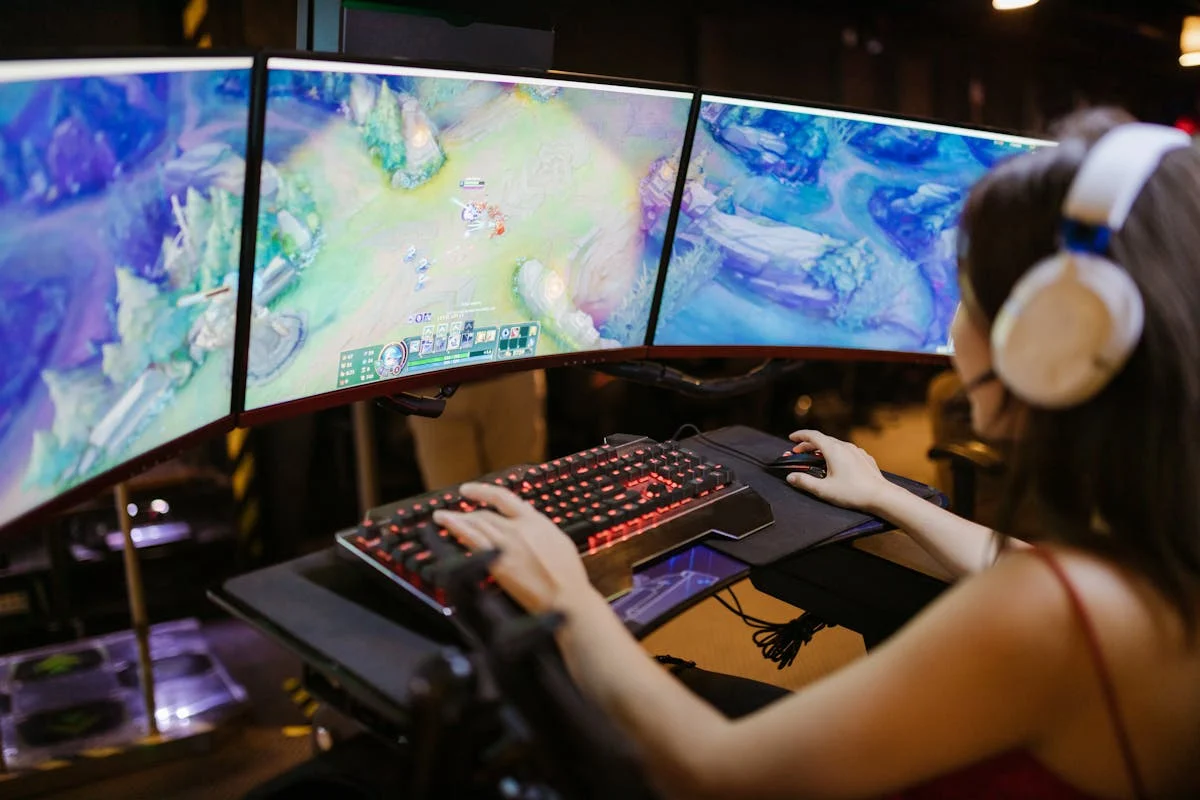
Over the last decade, gaming has expanded from a niche hobby into a mainstream pastime enjoyed by millions worldwide. This rapid growth, however, has not been entirely positive for the industry – in fact, it has been exploited by many game companies seeking to increase their profits, no matter the cost to the consumer.
While gaming has never been cheap, necessarily, it is plainly apparent that today’s industry is far more hostile towards the consumer, with many companies determined to extract every possible pound from consumers through whatever methods they can – day-one downloadable content (DLC), premium editions and subscription services, to name a few.
For instance, the average price of a AAA game (any game made by a major studio, ranging from Pokémon to Call of Duty) has risen significantly over time, from around £50 in the 2010s to £75 and up for new games this year, such as the latest Mario Kart. (SOURCE: theguardian.com)
Publishers often try to justify these price hikes by citing higher development costs, more complex technology, and larger production teams. However, the reality is that games not only cost more upfront but are often packed with predatory microtransactions and ‘lootboxes’ designed to incentivise further spending and increase corporations’ profits.
Day-one DLC is a particularly egregious example of the greed on display. Offering paid downloadable content on the same day a game releases essentially forces consumers to spend more money for features that would have been included in the game for free if it had been released only a few years earlier.
The sorry state of the industry has been on full display recently, with examples such as Xbox raising the price of their Xbox Game Pass service from £14.99 to £22.99 ($19.99 to $29.99 in America). Xbox Game Pass is a service that gives players access to an extensive library of games for a monthly fee, but many don’t think the deal is worthwhile anymore after a significant 50%+ increase (SOURCE: bbc.co.uk).
However, not all hope is lost for the industry, thanks in no small part to independent developers. ‘Indie’ games, as they are often called, offer shockingly high-quality experiences, often at a fraction of the cost of most AAA titles. For example, Silksong by Team Cherry was released in September of this year to glowing reviews and, within only half an hour, over 100,000 players on Steam (a popular video game distribution platform). A three-person team developed the game from Adelaide, Australia, and it costs only £16 on most storefronts, being a shining beacon of hope in a dire time for the gaming industry. (SOURCE: bbc.co.uk).
By Evan Summerfield
Winchmore School Newsroom
Sources:
https://www.theguardian.com/games/2025/apr/16/pushing-buttons-video-games-price-tariffs (rising game prices)
https://www.bbc.co.uk/news/articles/ckgepkwpkg4o
(Xbox Game Pass price increase)
https://feeds.bbci.co.uk/news/articles/ckgejpxzepko
(Silksong success)